


There is a certain type of home that immediately feels considered. Nothing looks random, yet it does not feel overdone either. You notice the textures, the balance, the way everything seems to sit just right without trying too hard.
Lately, Sicotas has been quietly appearing in spaces like that.
It blends in before it stands out
At first glance, most people would not point to a single item and say that is the reason the room works. That is part of the appeal.
Sicotas pieces tend to blend into the environment in a way that feels natural. The tones are soft, often leaning into warm wood finishes or subtle rattan details. Shapes are clean without feeling cold. It creates a foundation that supports everything else in the room.
This is especially noticeable in homes that follow a minimalist style, where every piece needs to feel intentional but not distracting.
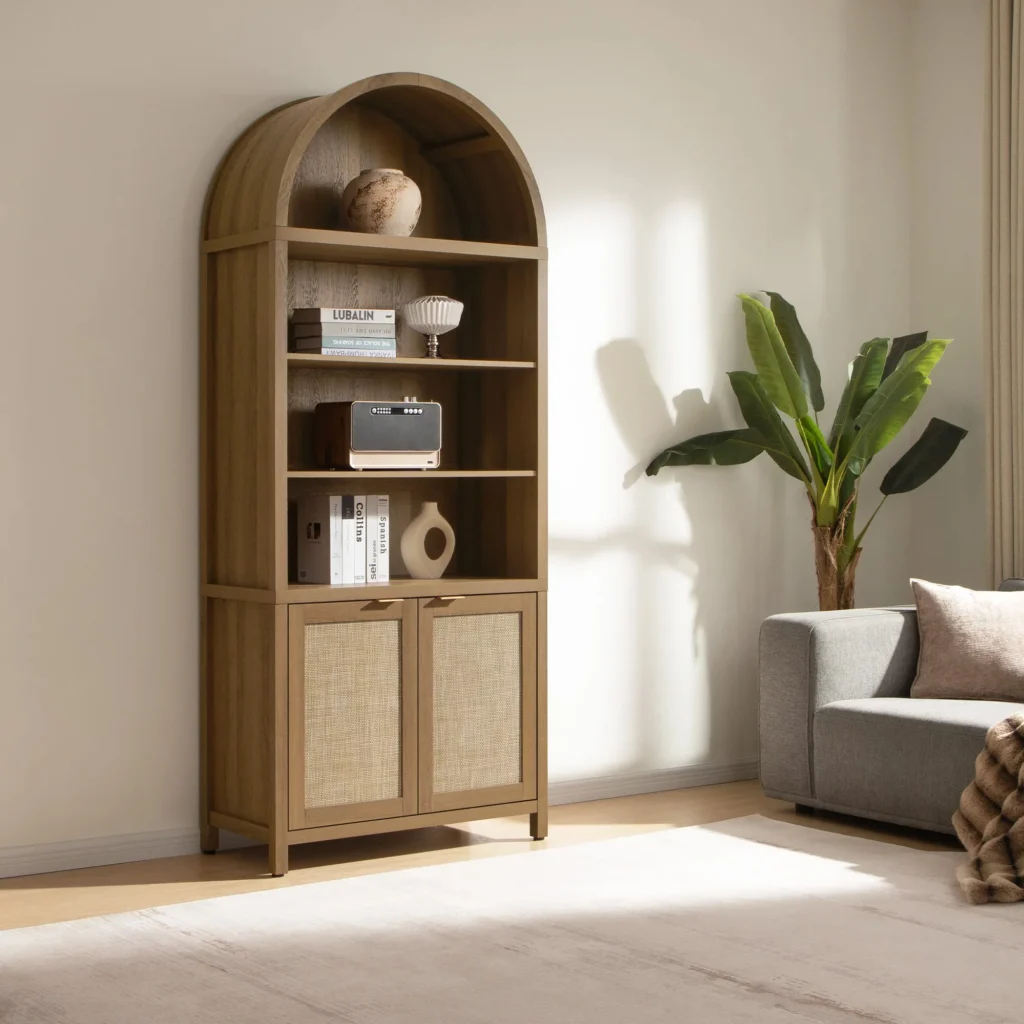
The balance between design and function
A lot of furniture looks good until you actually start using it. Drawers stick, surfaces feel too small, or storage ends up being more decorative than practical.
Sicotas avoids that problem by focusing on usability just as much as appearance.
Cabinets open easily. Shelves hold everyday items without looking cluttered. TV stands and sideboards are designed to support real use, not just styling.
People searching for functional furniture often realize that the difference is not always visible in photos. It shows up in daily routines.
Why stylists seem to favor it
If you look closely at thoughtfully styled homes online, there is a pattern. The furniture is rarely flashy. Instead, it creates a calm base that lets other elements shine.
That is where Sicotas fits in.
Interior stylists tend to lean toward pieces that offer flexibility. A console table that works in an entryway today can move to a living room later. A cabinet can store essentials while still acting as a focal point.
This adaptability makes it easier to build a cohesive look over time, especially when working within interior design trends that favor layering rather than complete overhauls.
It works with what you already have
One of the biggest challenges in decorating is making new pieces feel like they belong.
Sicotas makes that transition easier.
Instead of forcing a complete redesign, their furniture tends to complement existing setups. A new piece can quietly upgrade the space without making everything else feel outdated.
This is particularly useful for anyone experimenting with home styling changes in stages rather than all at once.
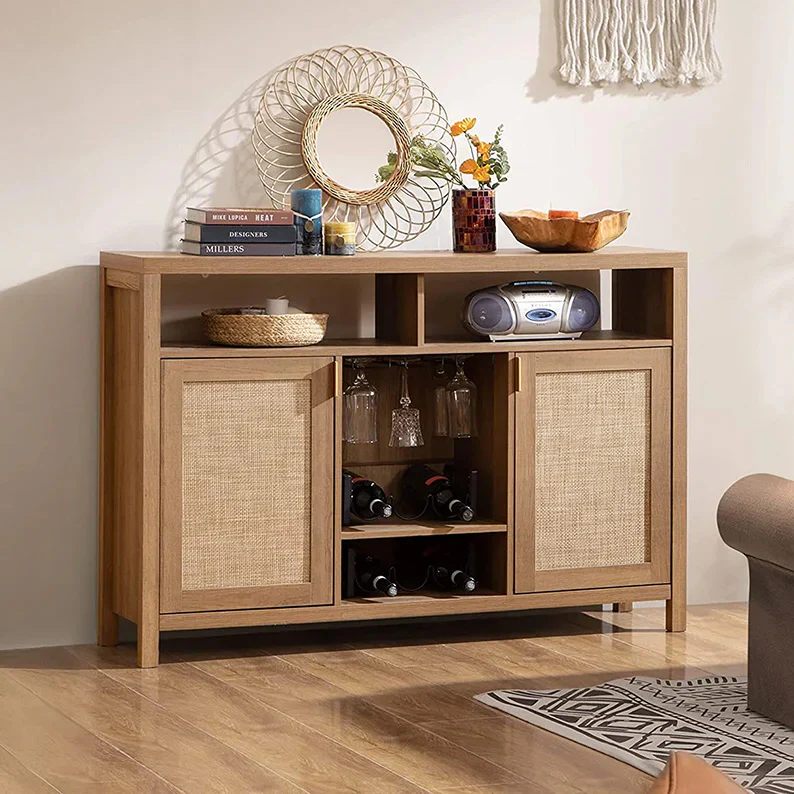
There is a lived-in quality to it
Some spaces look perfect but feel untouchable. Others feel comfortable but lack structure.
The homes where Sicotas shows up often sit somewhere in the middle.
There is a lived-in quality that still feels organized. Books are visible, but not messy. Decor is present, but not overwhelming. Furniture supports the way people actually move through the space.
This balance is what gives those homes a sense of ease.
A closer look at the details
What keeps Sicotas appearing in these spaces is not just the overall design. It is the smaller details that add up over time.
- Materials that feel warm instead of glossy
- Storage that is built into the design rather than added later
- Proportions that fit both large and compact rooms
- Finishes that do not clash with common decor styles
These elements might seem subtle on their own, but together they create consistency.
For those exploring boho furniture or mixing styles, this consistency makes a room feel pulled together without strict rules.
It supports slower decorating
Not everyone wants to redesign a home in one go. In fact, most people build their spaces gradually.
Sicotas aligns well with that approach.
You can start with one item, see how it fits, and expand from there. The collections are cohesive enough to grow over time without feeling repetitive.
This slower pace works well for anyone investing in affordable furniture while still aiming for a polished result.
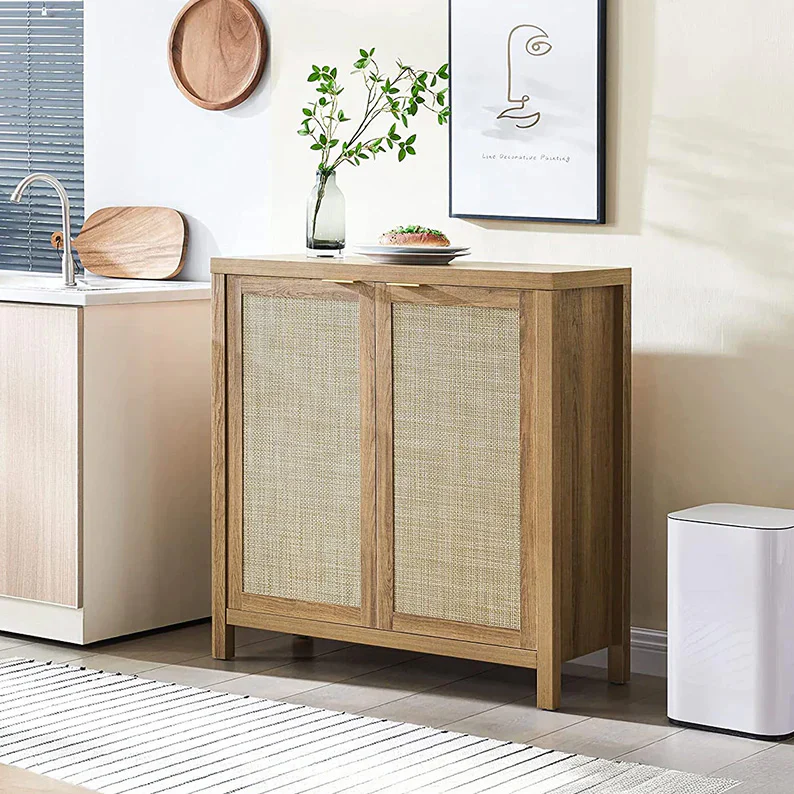
Where the appeal really comes from
When you step back and look at why Sicotas keeps showing up in thoughtfully styled homes, it is not because of one standout feature.
It is because the furniture does not compete with the space. It supports it.
Rooms feel more organized without looking staged. Design feels intentional without becoming rigid. The overall atmosphere becomes easier to live in.
That is the kind of change people notice, even if they cannot immediately explain it.
And once that feeling is there, it tends to stick.