

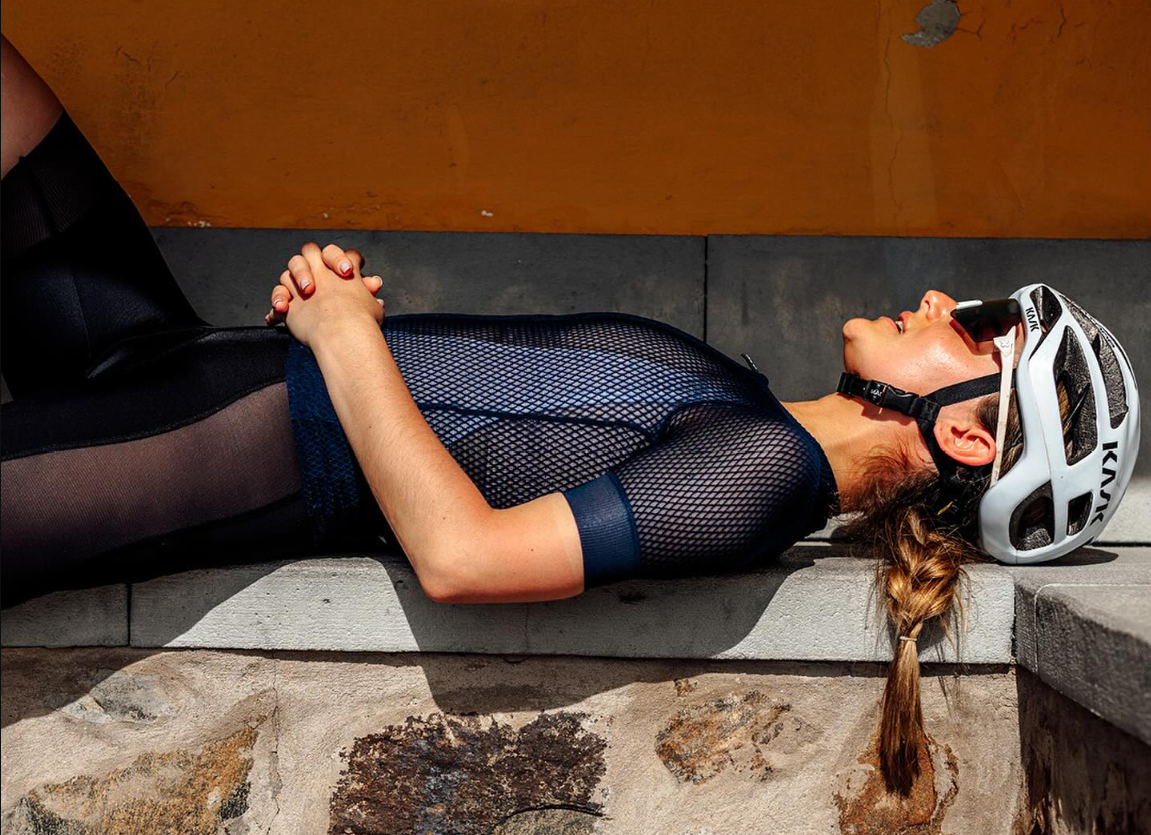
Cycling seasons bring dramatically different conditions, but many riders treat their wardrobe as a single solution for all temperatures. This approach leads to misery either shivering on cold mornings or overheating during afternoon climbs. Smart cyclists build a layering system that adapts to changing conditions throughout the year. Unlike outdoor pursuits that might have a true off-season, road and gravel cyclists want to maintain fitness across months, which means mastering how to dress for spring chill, summer heat, autumn wind, and winter cold. Le Col’s seasonal collections approach this challenge with purpose-built pieces that layer intelligently and perform in their intended conditions.
Spring Riding: Unpredictable Weather and Temperature Swings
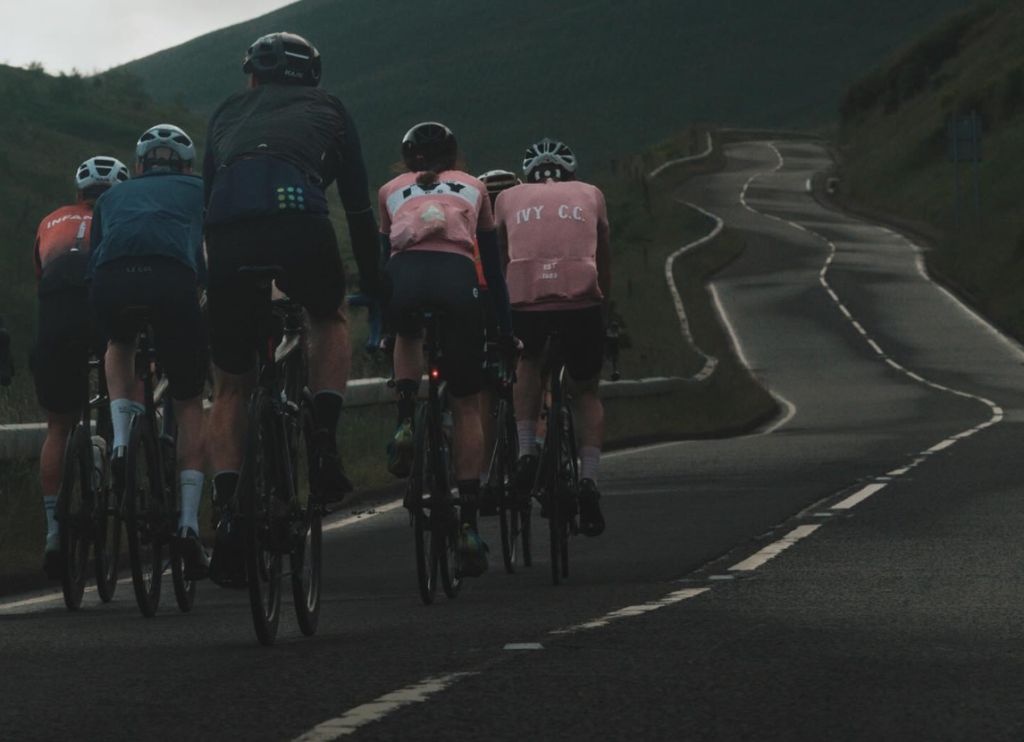
Spring presents layering challenges that confound even experienced cyclists. Morning temperatures might be forty degrees, climbing into sixty or seventy by afternoon. Wearing summer weight apparel in the morning means shivering for the first hour; wearing heavy winter gear means stripping pieces and carrying them, which disrupts your ride. Spring is where a proper layering system shines. Start with a lightweight, long-sleeve base layer that provides insulation without bulk. Add a jersey that doesn’t trap heat but offers some wind protection. Many spring mornings are calm but cool; as the day warms and wind picks up, your gear transitions from insulation-focused to breathability-focused. The key is pieces that work together. A spring ride might start with arm warmers over a short-sleeve jersey and a lightweight gilet, finished with knee warmers. By midday, you’ve removed the gilet and leg warmers, keeping just the core jersey. Le Col’s spring range includes transitional pieces designed exactly for this scenario long-sleeve jerseys that breathe, lightweight insulated jackets with packable designs, and arm/leg warmers that compress small enough to stuff in a back pocket.
Summer Apparel: Maximizing Ventilation and Sun Protection
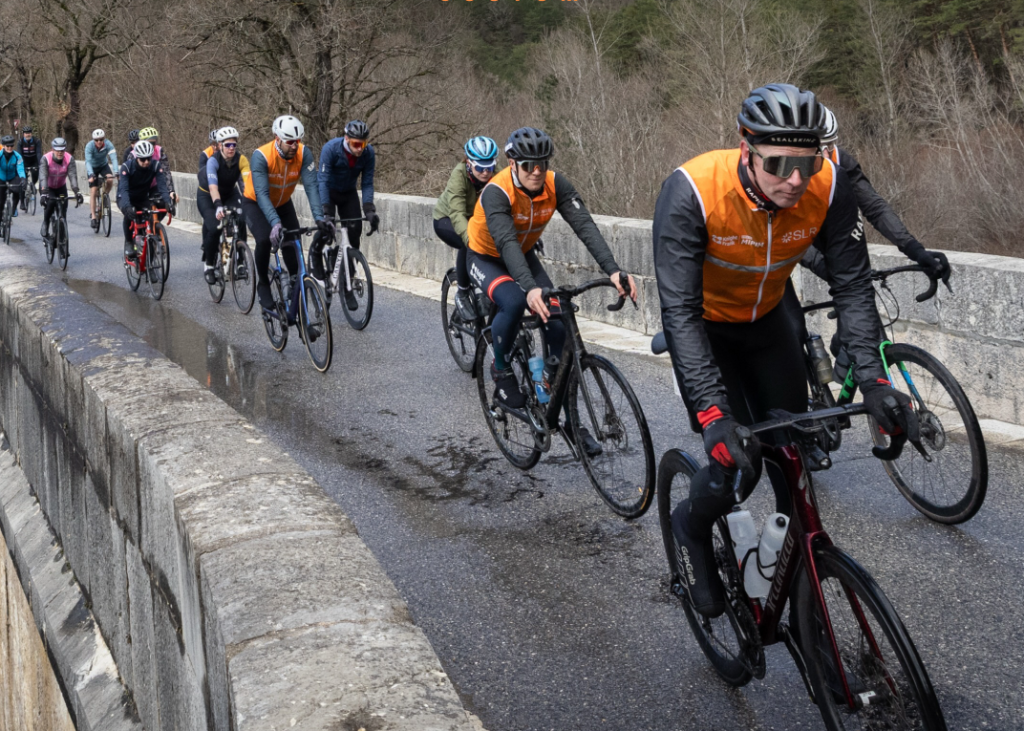
Summer riding focuses almost entirely on breathability and moisture management. You’re producing significant sweat, your skin is exposed to intense sun, and your core goal is staying as cool as possible while maintaining protection. Summer jerseys use the lightest possible fabrics with maximum venting often featuring mesh panels on the back and sides. Many cyclists switch to sleeveless options, though quality short-sleeve jerseys offer sun protection that bare arms don’t provide, a reasonable trade-off for riders concerned with long-term skin health. Summer shorts should have minimal padding on cool mornings but feel supportive during hours-long climbs in heat. The real summer secret is understanding that ventilation works best at speed; standing still in summer kit feels uncomfortably hot, but moving air creates significant cooling. Hydration becomes critical in summer, as your body’s cooling mechanism sweat only works if you’re adequately hydrated. Le Col summer collections emphasize breathable fabrics and strategic ventilation, with body-mapped construction that protects key areas while maximizing airflow across high-perspiration zones.
Autumn: Building Layers as Temperatures Drop
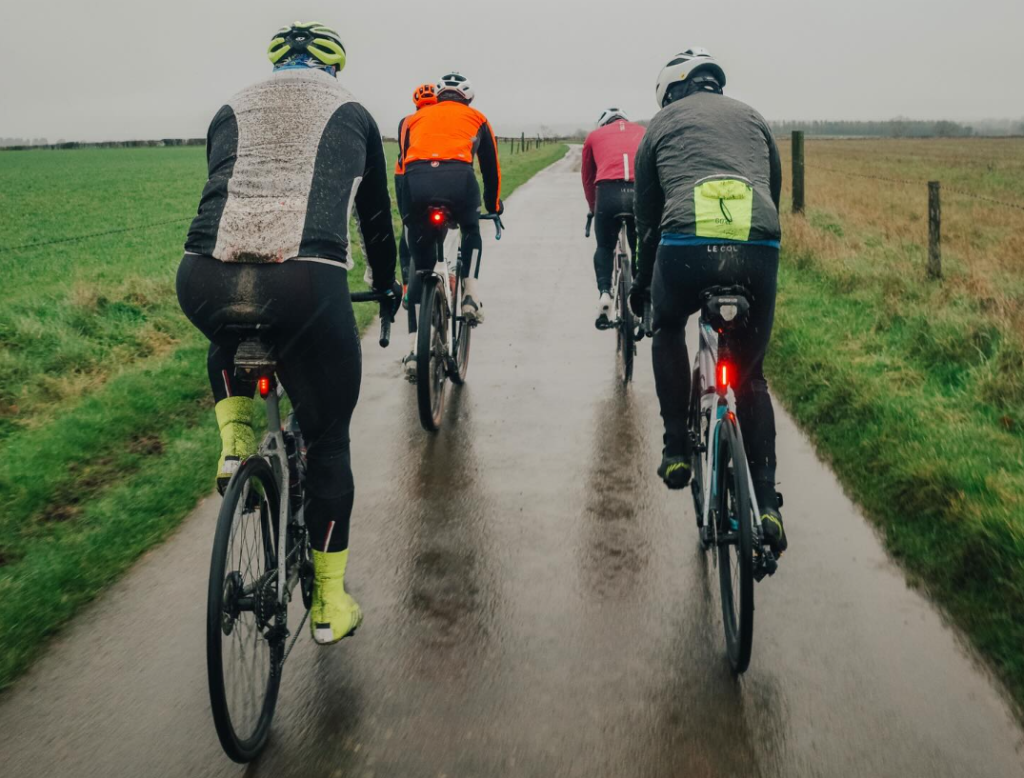
Autumn demands increasing attention to layering as temperatures become genuinely cool but not yet winter-cold. This is where many cyclists begin adding insulation, but smart layering means using thin, highly efficient base layers rather than bulk. A quality long-sleeve base layer provides remarkable warmth relative to its thickness hollow-fiber polyester or merino wool both excel here. Add a mid-weight jersey over the base layer, and you’re prepared for forty to fifty-five degree conditions. A lightweight gilet or jacket handles wind and offers additional insulation without the weight of a full winter jacket. Leg warmers return as temperatures drop below fifty degrees, and many cyclists prefer them to full-length tights because you can remove them mid-ride as your body temperature rises. As autumn progresses into late fall, the layering equation shifts toward heavier materials, but maintaining flexibility a jacket you can remove if you get too warm keeps you more comfortable than being over-bundled. Le Col’s autumn pieces bridge summer and winter, offering warming elements that don’t trap excess heat during active effort while providing genuine protection against crisp mornings.
Winter: Insulation, Protection, and Managing Moisture in Cold
Winter cycling requires a fundamentally different approach than warmer seasons. Your goal shifts from cooling to maintaining core warmth while preventing moisture now sweat from creating a wet environment against your skin. Merino wool becomes increasingly attractive, since it retains warmth even when damp and resists odor development better than synthetics. Winter base layers should be thicker than their seasonal counterparts, using hollow-fiber construction to trap insulating air. Winter jerseys are often heavier, sometimes brushed on the inside for additional warmth. Tights with insulated, often padded construction keep your legs protected. A winter jacket should be wind-resistant and water-resistant (not fully waterproof, since you’ll still produce sweat), with sealed seams to keep drafts out. Hands and feet need attention numb fingers make braking dangerous, and cold toes destroy the joy of riding. Quality winter gloves should be well-insulated, ideally with a touchscreen-compatible thumb for your phone. Winter socks specifically designed for cycling (not regular wool socks) provide targeted insulation without excess bulk in your shoe. Managing moisture in winter is trickier than it sounds. Your base layer needs to wick sweat away from your skin, but the insulation layer should trap a thin air gap for temperature regulation. Le Col’s winter systems combine these principles into coordinated sets that work together better than random pieces from different brands.
The Investment in a Complete System
Building a year-round cycling wardrobe requires investment, but doing it thoughtfully with pieces that work across multiple conditions and layer intelligently together makes the investment worthwhile. A single premium jersey wears better, lasts longer, and performs across wider temperature ranges than two cheaper alternatives. Transitional pieces like lightweight jackets and arm warmers multiply the effective temperature range of your basic pieces. Instead of buying heavy winter gear you’ll wear eight weeks a year, invest in flexible layering that works across six months. This approach also reduces the total number of pieces you need; smart layering means fewer individual items cover more conditions. Le Col’s product philosophy embraces this thinking, building collections with intentional overlap so pieces work as systems, not isolated garments.
- Spring and fall require flexible layering systems; single heavy pieces don’t adapt to rapid temperature changes.
- Summer breathability is maximized at speed, making jersey choice matter more on long rides than short ones.
- Merino wool outperforms synthetic fabrics in cold conditions and resists odor development across multiple wears.
- Base layers drive performance in every season; they’re the foundation that determines how well other layers function.
- Packable jackets and arm warmers dramatically extend the effective temperature range of your core pieces without weight.
Cycling through all four seasons isn’t a limitation; it’s an opportunity to learn how apparel engineering adapts to challenges. The riders who enjoy year-round cycling most are those who’ve invested in systems that work together, rather than random pieces assembled from different sources. Temperature control through strategic layering isn’t complicated once you understand the principles, and getting it right transforms how you feel during every ride.