


Few airlines have managed to strike a delicate balance between aggressive cost-cutting and genuine hospitality as successfully as Transavia. Operating as the low-cost subsidiary of the prestigious Air France-KLM Group, Transavia serves a vital role in the modern travel ecosystem. It functions as a bridge, connecting the high-efficiency demands of the budget-conscious traveler with the reliability and network strength of a major flag-carrier alliance.
Over the past several years, the airline has undergone a profound transformation. What was once seen primarily as a charter-focused airline for Dutch holidaymakers has evolved into a powerhouse of European connectivity. With primary hubs in Amsterdam Schiphol, Eindhoven, Rotterdam The Hague, Paris-Orly, and Lyon, the airline now reaches deep into the Mediterranean, North Africa, and the Middle East. This growth is not merely about adding more seats to the sky; it represents a fundamental shift in how a low-cost carrier can operate sustainably and ethically in an age of heightened environmental and social awareness.
The Neo Revolution: A Billion-Euro Investment in the Future
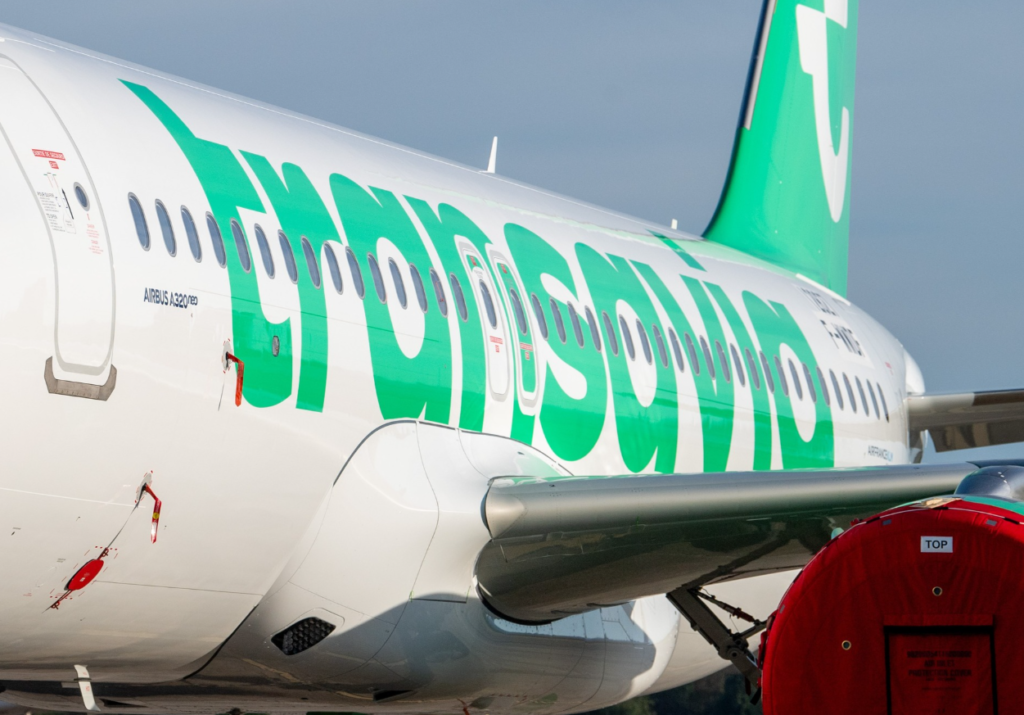
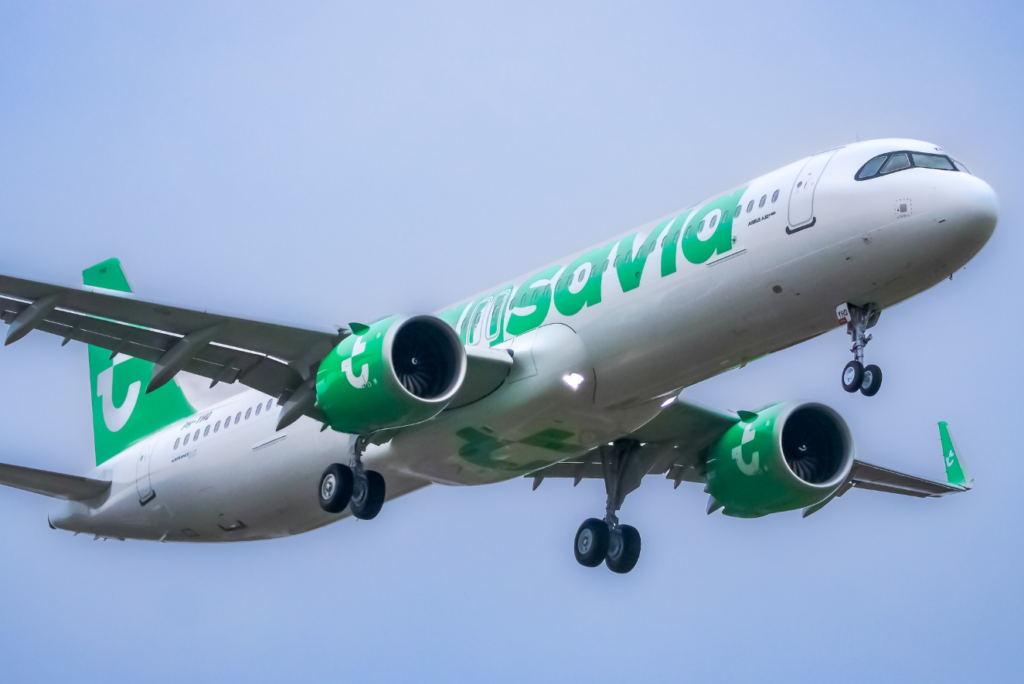
The most visible sign of Transavia’s evolution is its massive fleet renewal program. For decades, the Boeing 737 was the workhorse of the Transavia fleet, but the airline is currently in the midst of a historic transition to the Airbus A320neo family. This shift is a technical and financial undertaking of enormous proportions, representing billions of euros in investment. However, for Transavia, it was a necessity driven by both economics and community responsibility.
The “neo” in the Airbus A320neo and A321neo stands for “new engine option,” and for Transavia, these engines are a game-changer. They provide a double-digit reduction in fuel consumption and CO2 emissions per seat, which is essential as the European Union tightens its environmental regulations on the aviation sector. Perhaps even more importantly for its primary hub at Amsterdam Schiphol an airport under constant pressure regarding noise pollution the A321neo is significantly quieter than its predecessors. By reducing its noise footprint by nearly 50%, Transavia is ensuring its “license to operate” in noise-sensitive regions, proving that a budget airline can be a good neighbor.
A Specialized Network Built for Diversified Travel
Transavia’s route planning is a masterclass in understanding the nuances of European travel demand. Unlike some ultra-low-cost competitors that fly into secondary airports miles away from the intended destination, Transavia prioritizes primary airports that offer better infrastructure and proximity to city centers. This makes them a preferred choice not just for leisure travelers, but also for small-business owners and professionals who need to move between European hubs without the high cost of a business-class fare.
The network is currently divided into several strategic pillars:
- The Mediterranean Core: The airline maintains a dominant presence in traditional sun-and-beach destinations across Spain, Portugal, and Greece, with increased frequency to islands like Crete, Rhodes, and Mallorca.
- North African Connectivity: Transavia has become a vital link for the North African diaspora and adventure travelers alike, offering extensive routes to Morocco and Tunisia from its French and Dutch bases.
- Emerging Eastern Markets: There has been a concerted effort to expand eastward, connecting Western Europe with culturally rich destinations in the Balkans and the Middle East, such as Beirut and Amman.
- Business Corridors: Routes between Paris, Amsterdam, Lyon, and Lisbon serve a steady stream of corporate travelers who appreciate the airline’s integration with the Flying Blue loyalty program.
- The Winter Niche: During the colder months, Transavia pivots toward the Alps and Lapland, catering to the ski industry and the growing demand for Arctic tourism.
The Digital Frontier and the “Resale” Innovation
In an era where the digital experience is just as important as the flight itself, Transavia has moved aggressively to modernize its booking and management systems. The airline’s mobile app has become a central hub for the passenger journey, offering everything from real-time flight updates to the ability to pre-order tax-free items. However, their most impressive digital innovation is undoubtedly the “Resale” platform.
Travelers have long complained about the rigidity of low-cost tickets, where a change in plans often meant losing the entire value of the fare. Transavia addressed this pain point by creating a secure marketplace where passengers can offer their booked tickets back to the airline for repurchase if they can no longer travel. This system provides a level of flexibility rarely seen in the budget sector. It creates a win-win scenario: the original passenger recoups some of their costs, the airline fills a seat that might have gone empty, and a new traveler can find a last-minute ticket at a fair price. This transparency builds a layer of trust between the brand and the consumer that is often missing in low-cost aviation.
Beyond the Fuel Tank
Transavia’s approach to sustainability is holistic, looking far beyond just Sustainable Aviation Fuel (SAF). While they are indeed increasing their use of SAF in line with the Air France-KLM Group’s targets, they are also looking at the circularity of their onboard operations. This is best exemplified by their “Fly Again” initiative. This program repurposes old aviation materials such as life jackets that have reached their expiration date and transforms them into high-quality consumer goods like liquid bags for airport security.
Onboard the aircraft, the airline has significantly reduced its use of single-use plastics, opting instead for wheat straw cutlery and bamboo-based packaging. Even the catering menu has been redesigned to favor local Dutch and French producers, reducing the carbon footprint associated with transporting food supplies. These small, thoughtful changes signal to the passenger that the airline is conscious of its impact on the planet, aligning the brand with the values of a younger, more environmentally aware generation of travelers.
The Human Element of Low-Cost
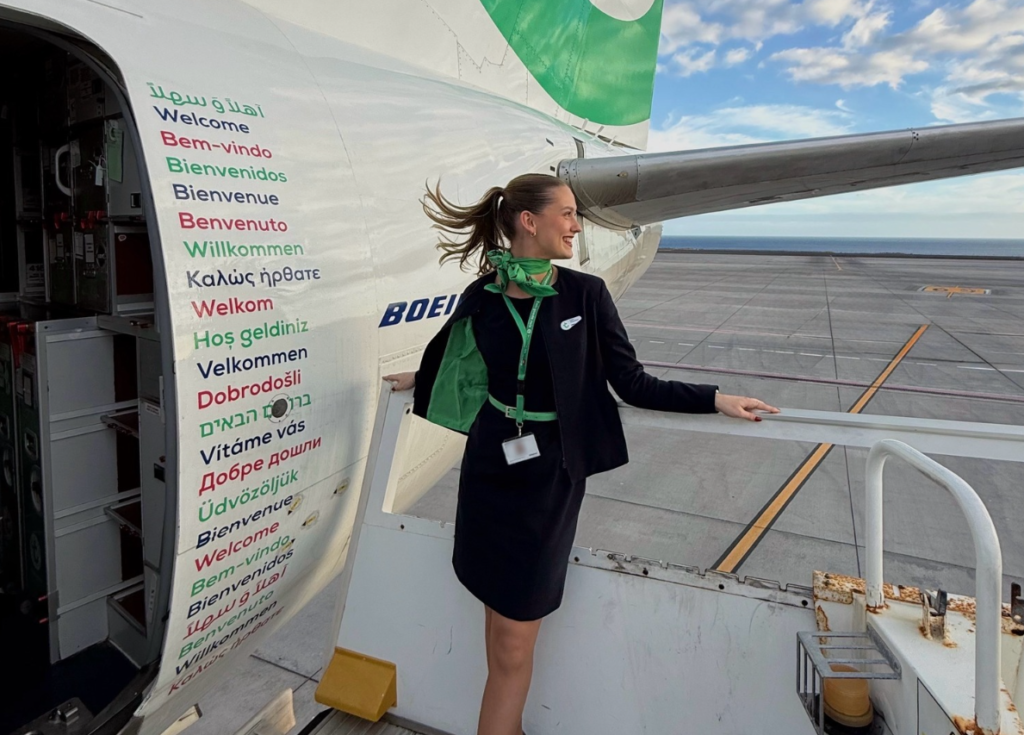
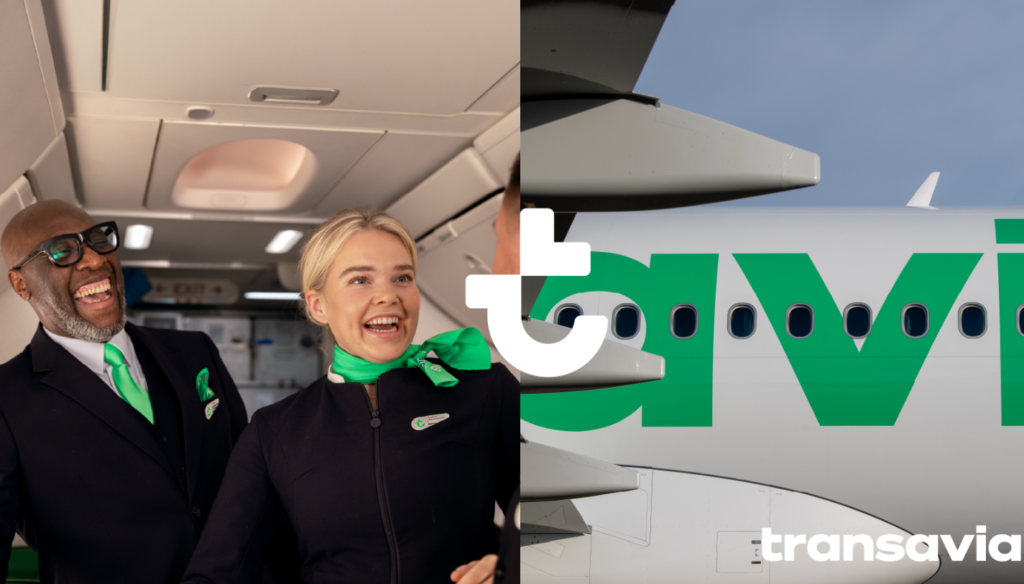
Ultimately, what makes Transavia stand out in 2026 is its refusal to treat passengers like mere commodities. In an industry where “unbundling” has often become a synonym for “unpleasant,” Transavia manages to keep its service levels high. Its cabin crews are frequently praised for their approachability and humor, a direct reflection of a corporate culture that values the human touch.
By combining the financial backing of a major airline group with the agility of a startup, Transavia has created a model that works. They have invested billions in a cleaner fleet, pioneered digital flexibility with their resale platform, and curated a route network that serves both the heart and the head. For the millions of passengers who step onto a Transavia flight each year, the message is clear: travel should be accessible, it should be responsible, and it should, above all, “feel good.”